
There is both a lack of high quality research that speaks to Jewish belonging in K-12 schools and a myriad of potential databases from which one can find such work. This subpage highlights the work done by members of our research collective that speaks either directly or indirectly to Jewish belonging in schools. We plan to continue to grow this page and if you are interested in joining this research collective and/or have work to share or direct us to, please contact us at supportingjewishyouth@gmail.com.
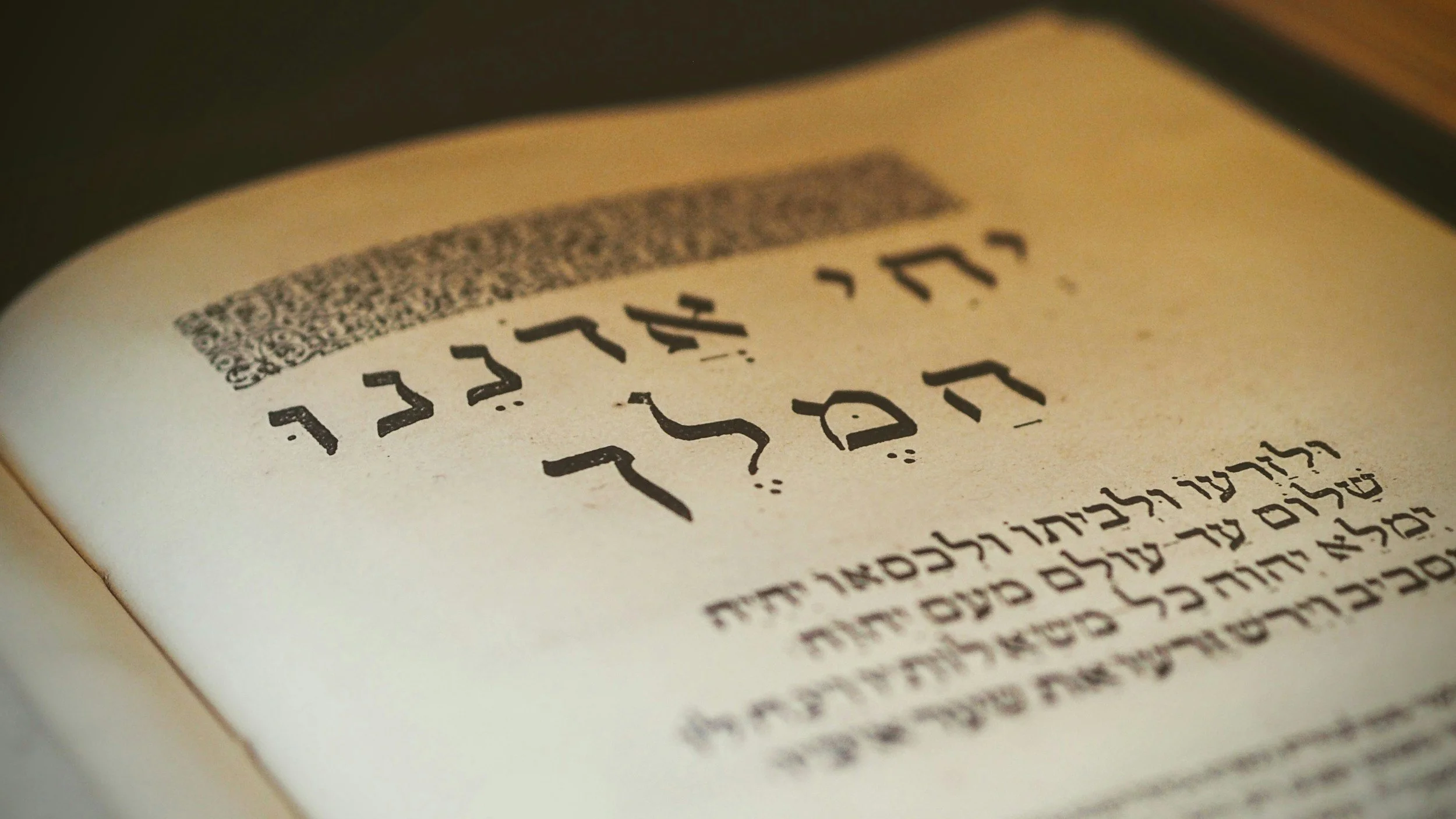
‘Enough with the Judaism already’: The experiences of Jewish social studies teachers at public schools
By Emma Nicosia
Published in Theory & Research in Social Education
This article examines the impact of being Jewish on secondary social studies teachers in public schools in a Midwestern state.
-
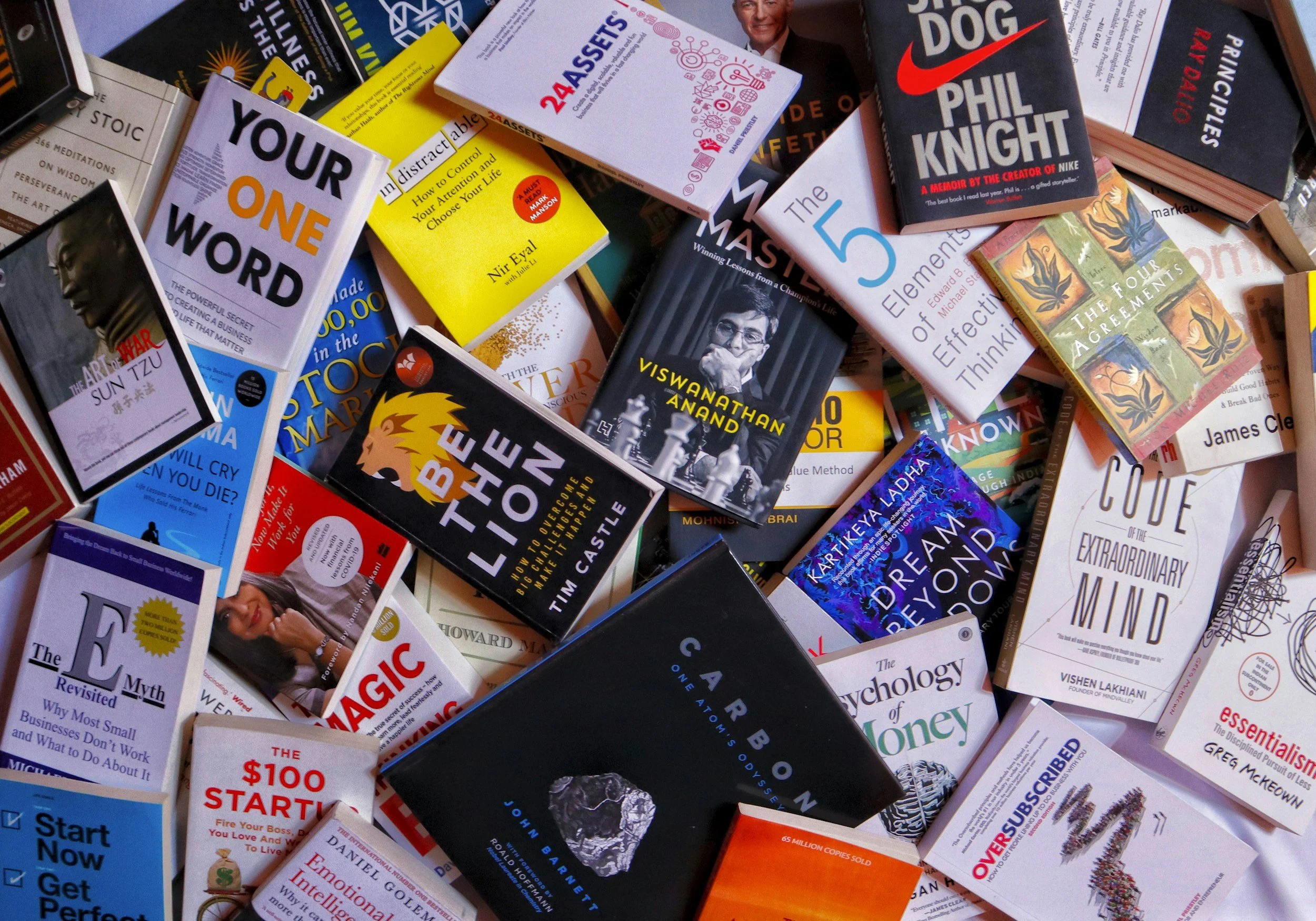
From Invisible Diversity to Inclusive Representation
By Melanie Koss and Deborah Greenblatt
Published in Education Science
Despite the rapid expansion of “diverse books” initiatives in children’s and young adult (YA) literature, Jewish identity remains inconsistently recognized within diversity frameworks in publishing, curriculum, and literacy education. This conceptual review examines how Jewish children’s and YA literature can serve as a resource through which young people interpret identity, confront erasure, and imagine more inclusive social worlds. -

Ambient Antisemitism and Its Quiet Cost to Jewish Identity
By Yael Silverstein
Published in Currents
Last Yom Kippur, during Kol Nidrei, an usher hurried down the aisles of my East Village synagogue, whispering three words that then reverberated through the sanctuary: Evacuate. Bomb threat. I lifted my toddler from the floor where she had been quietly playing with magnetic tiles and joined the stream of people moving quickly toward the exit. For a split second — a primal flash — I thought: What if this isn’t a bomb threat but an ambush? -

Traumatic Invalidation in the Jewish Community After October 7
By Miri Bar-Halpern and Jaclyn Wolfman
Published in Journal of Human Behavior in the Social Environment
The October 7, 2023 attacks in Israel by the Hamas terrorist organization triggered profound trauma within the Jewish community, not only stemming from the events themselves but also from the response of others in the aftermath. Rather than being met with compassion and care, many individuals instead encountered emotional neglect, criticism, blame, and even outright denial of their pain. -
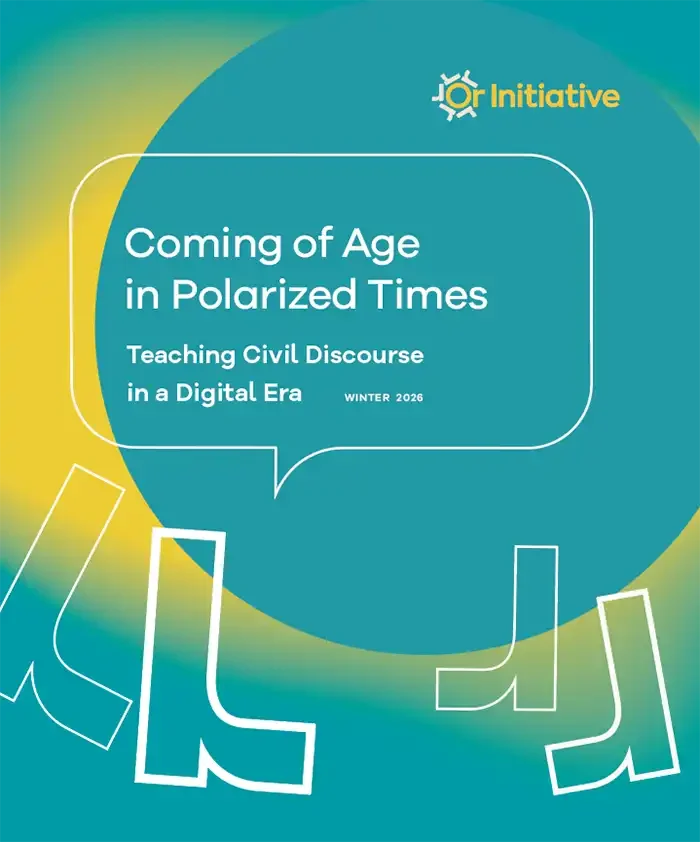
Coming of Age in Polarized Times
Teaching Civil Discourse in a Digital Era
Teens and emerging adults are coming of age in information environments defined by speed, personalization, and polarization. For many, social media is not a separate “media diet” so much as the water they swim in—where friendship, identity development, memes, and breaking news are in the same scroll. In these feeds, contentious issues surface early, often uninvited, and almost always out of context. Young people encounter war, political violence, and moral outrage in short-form clips that reward certainty and reaction over reflection, leaving them to make sense of the world before they have the tools—or the time—to do so.
-

What Shall We Tell the Children? Early Childhood Jewish Education Teachers Respond to October 7
By Meir Muller, Lyndall Miller, and Alana Rifkin Gelnick
Published in Journal of Jewish Education
This study explores how one school’s early childhood Jewish education teachers managed the challenges of teaching during the two and a half months following the October 7 hamas attack on Israel. Interviews revealed strategies participants used to support children’s understanding and well-being, including adjusting pedagogical approaches and providing a supportive environment. Teachers found the classroom to be a refuge from external stress, supported by family involvement and emotional backing. The study uses self-determination theory (SDT) as an analytic tool to understand the teachers’ practices and notes the importance that autonomy, competence, and relatedness played for the students and teachers.
-

Evaluating Jewish Children’s Literature: A Toolkit for Elementary Educators
By Emma Nicosia and Keitha-Gail Martin-Kerr
Published in Social Education
A practical toolkit helps elementary teachers evaluate and incorporate Jewish children’s literature that reflects diverse identities, fosters inclusion, and supports culturally responsive instruction.
-
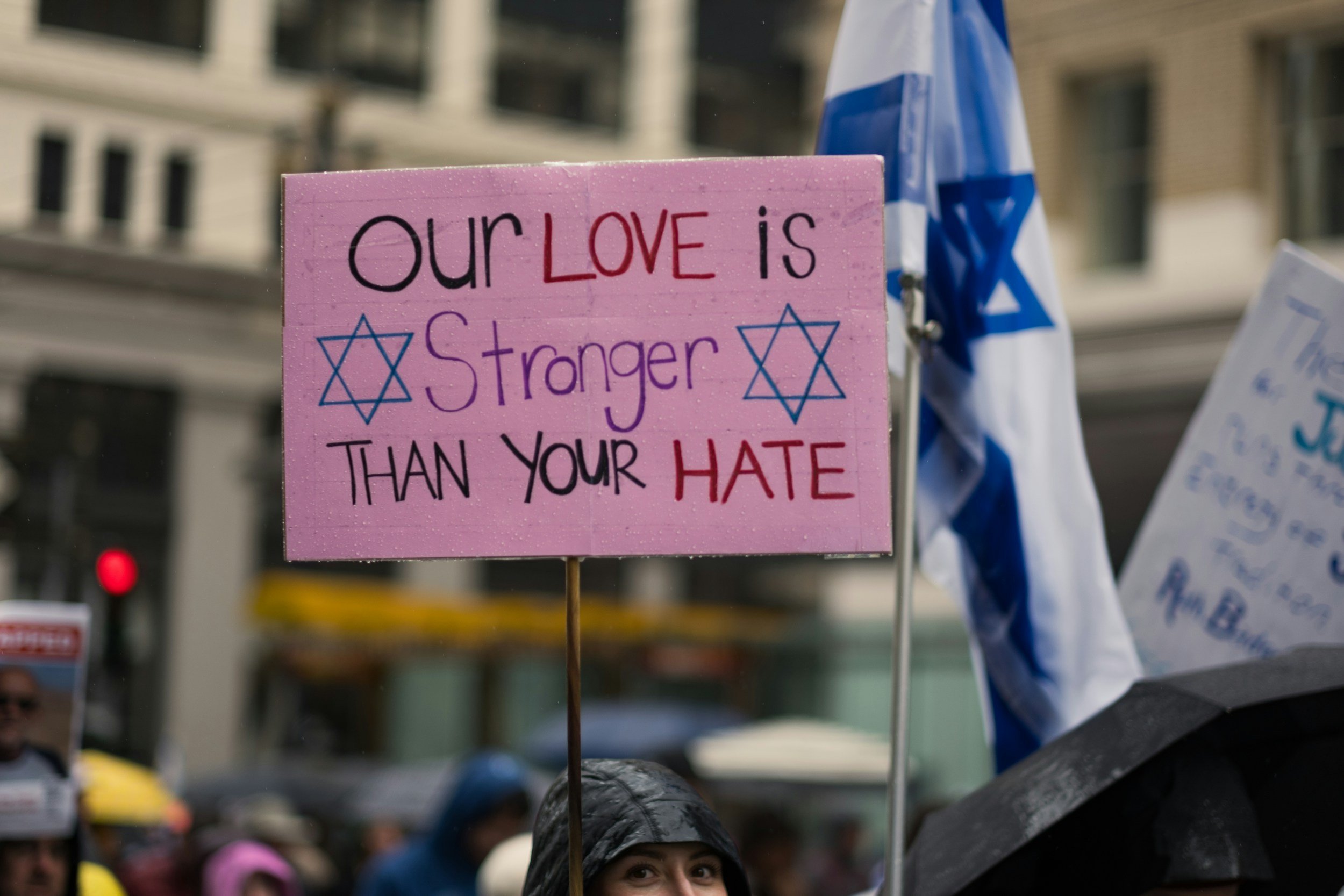
Antisemitism as an Integral Part of Anti-Bias Educational Policies and Practices
By Deborah Greenblatt and Melanie D. Koss
Published in Journal of Multicultural Education
The purpose of this paper is to show how the impact of White Supremacy and Christian hegemony on the educational system. By highlighting interconnectedness across targeted groups, the authors assert that through coalition building, groups are stronger than they would be working alone. Solidarity gives hope to combating hatred of all kinds. Learning that there is a long history of antisemitism is an important component of fighting bias. With book banning and controversy over teaching critical race theory in schools, it is important that educators reflect on their social justice education.
-
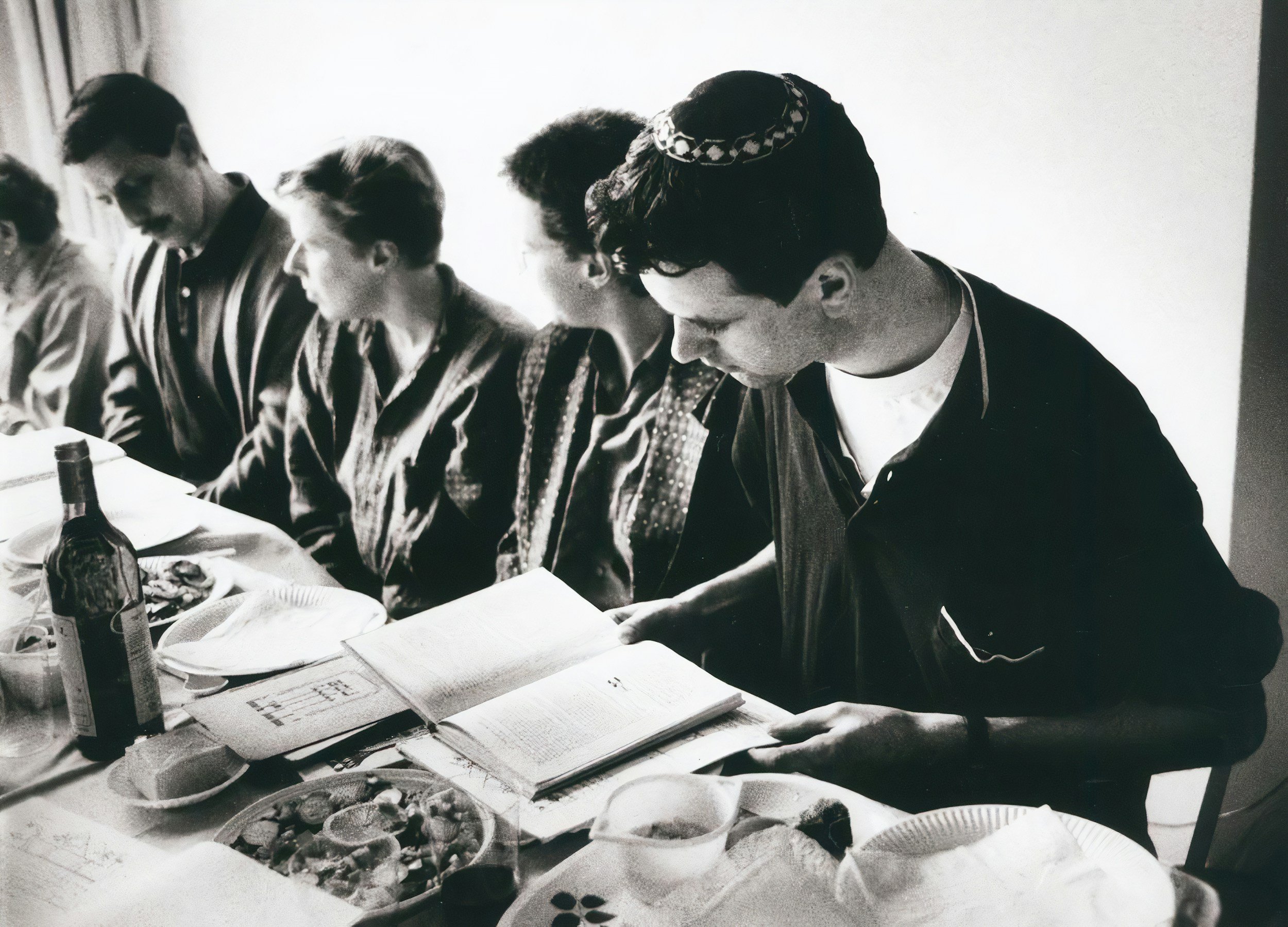
Positively Impacting Jewish Students Through Respecting, Understanding, Centering, and Amplifying Jewish Voices: Recommendations for School Psychology Practice
By Dave Shriberg
Published in School Psychology Review
Despite antisemitism being deeply rooted in US culture and despite recent dramatic increases in reported rates of antisemitic activities, there is scant literature that speaks to ways in which school psychologists can support Jewish students. This article seeks to address this gap, providing detailed information about US Jewish history and antisemitism through a multicultural and social justice lens. Suggestions for enhanced school psychology practice are provided, with an emphasis on centering and amplifying Jewish voices, particularly as relates to understanding antisemitism and treating concerns raised by Jewish students seriously and with dignity.